01
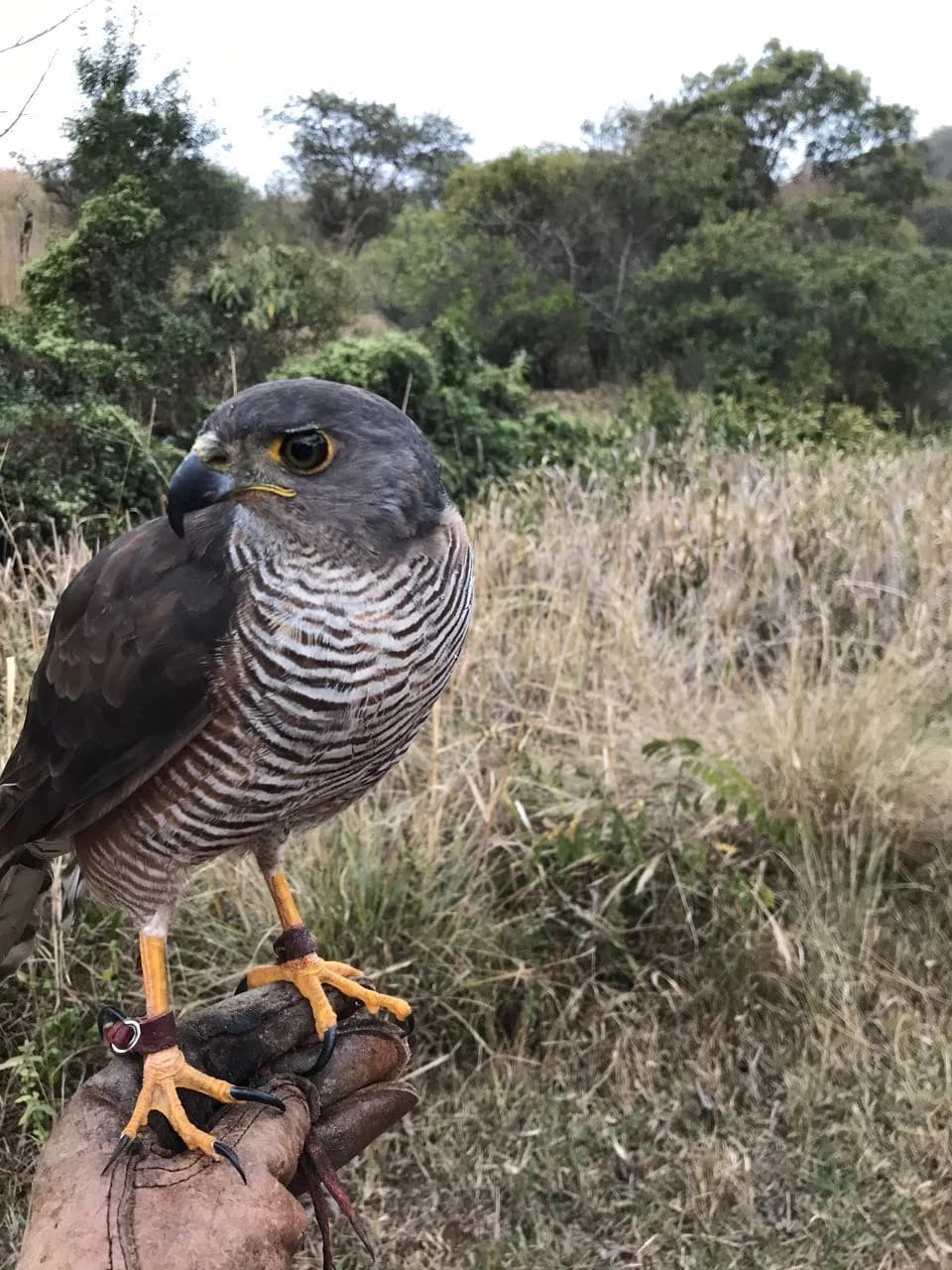
African Goshawk · 2017
Dakota
The earliest named bird in my archive. Dakota belongs to the period when an old childhood fascination was becoming a real, disciplined practice.
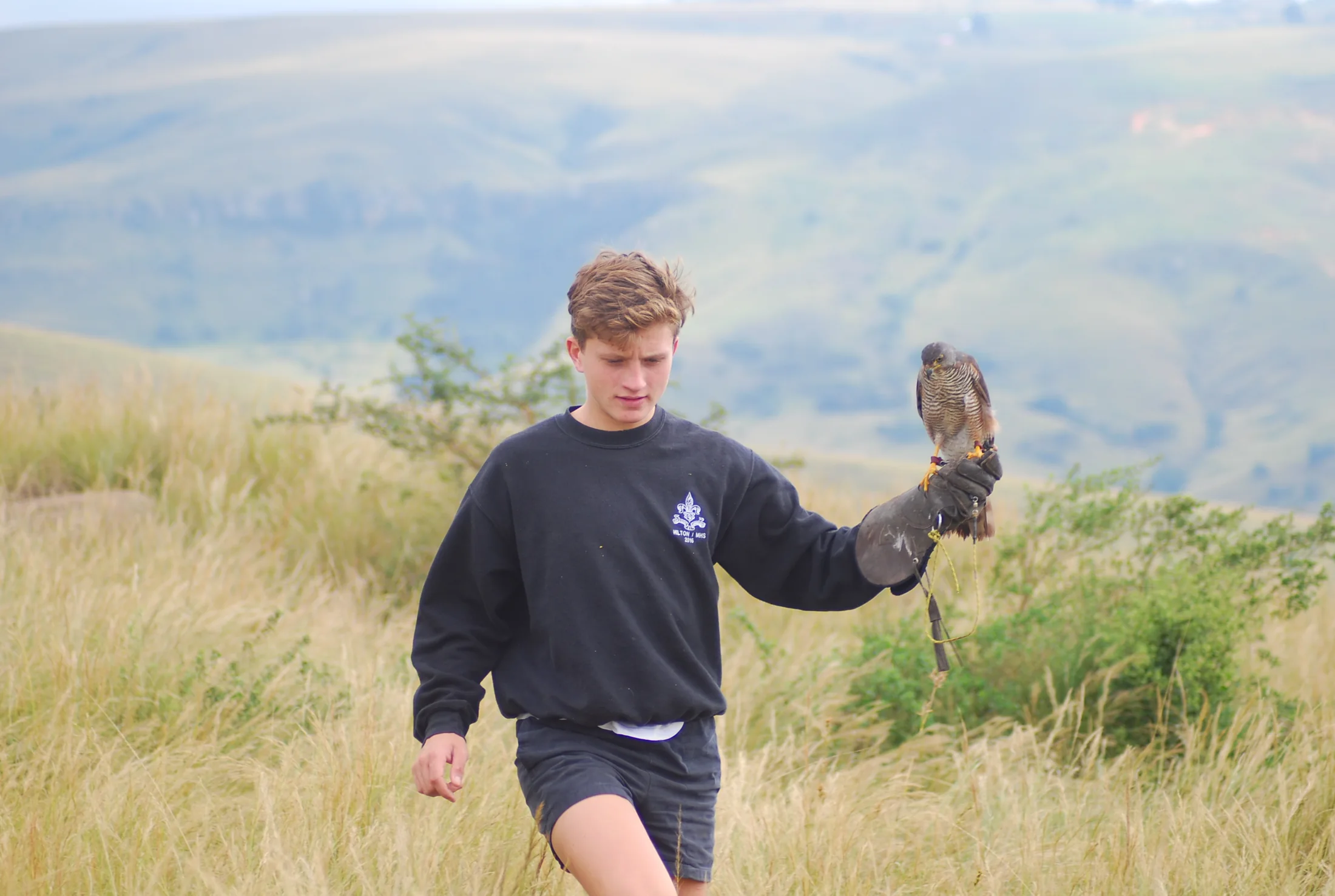
Falconry
Where it started
“I’m going to do that when I’m older.”
I was about three or four when I saw someone call a bird to the glove on television. I turned to my mother and announced that I would do the same one day.
Roughly twelve years later, I followed that interest into the Natal Falconry Club. The fantasy became early mornings, regulations, mentors, fieldcraft, daily care and a great deal of patient repetition.
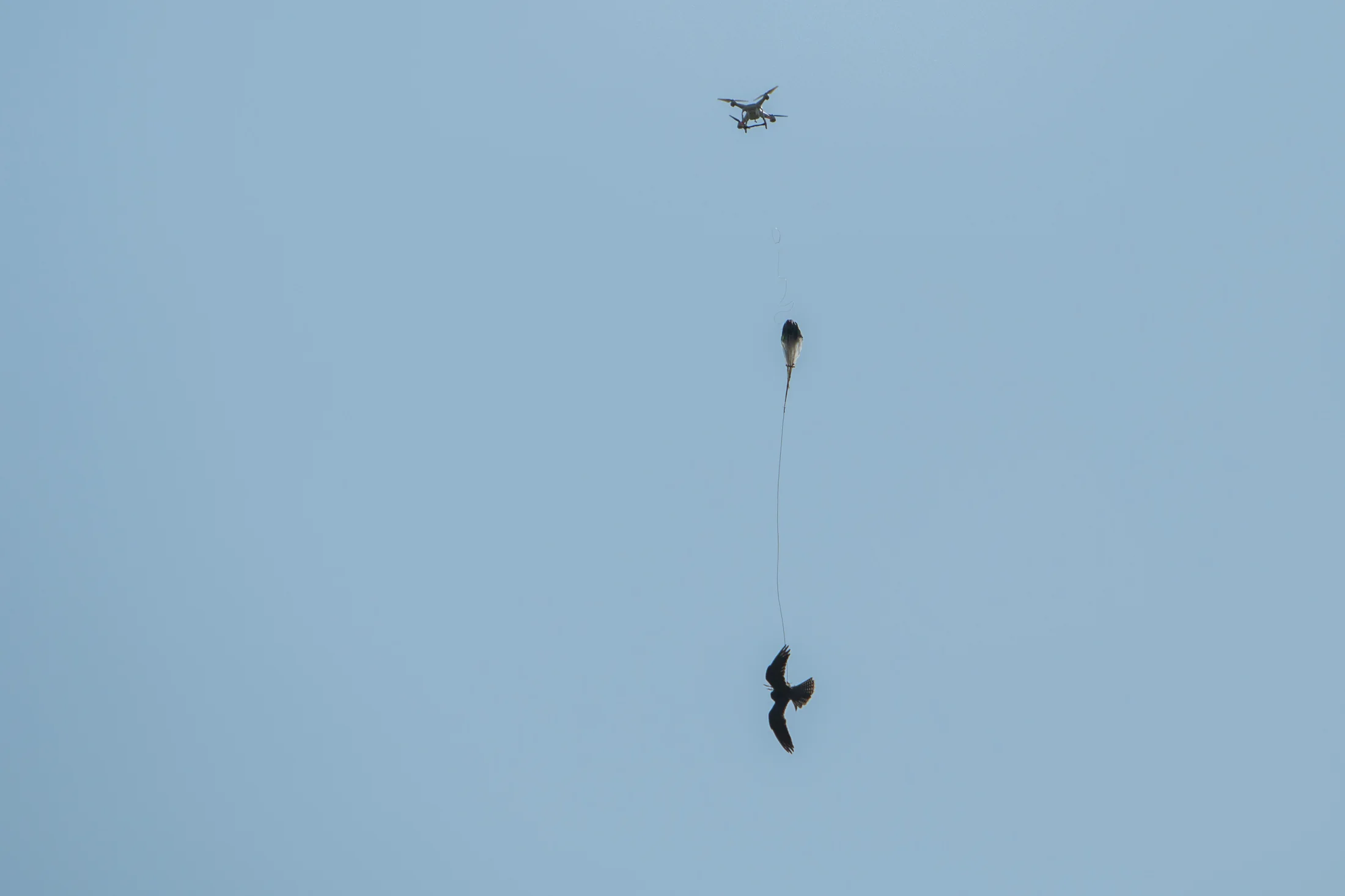
Mallory · Field archive · 2022
Some of the birds
01
African Goshawk · 2017
The earliest named bird in my archive. Dakota belongs to the period when an old childhood fascination was becoming a real, disciplined practice.
02
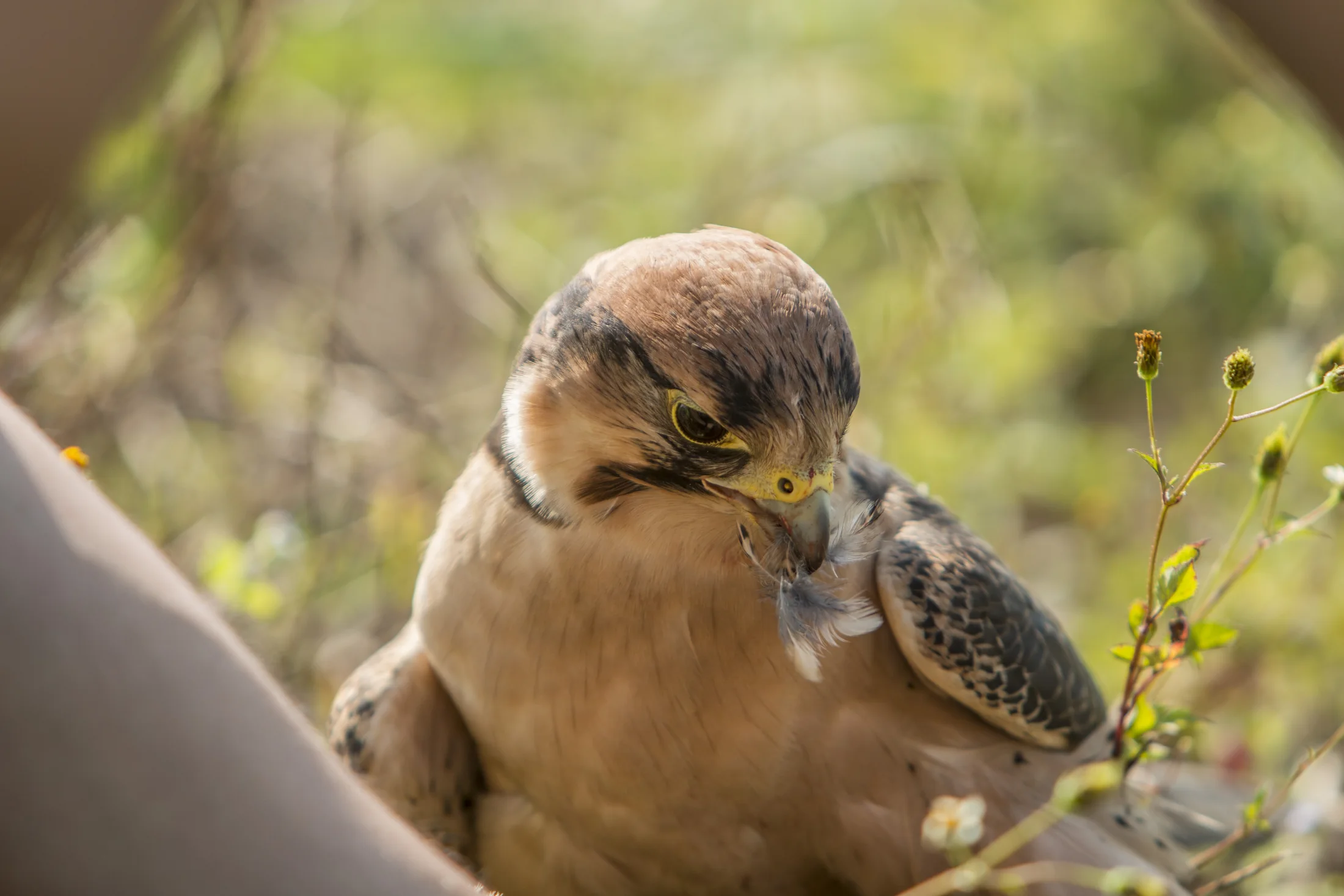
Lanner Falcon · From 2021
Mallory’s archive is full of field days, close observation and flight: the repetition behind the few spectacular seconds people tend to remember.
03
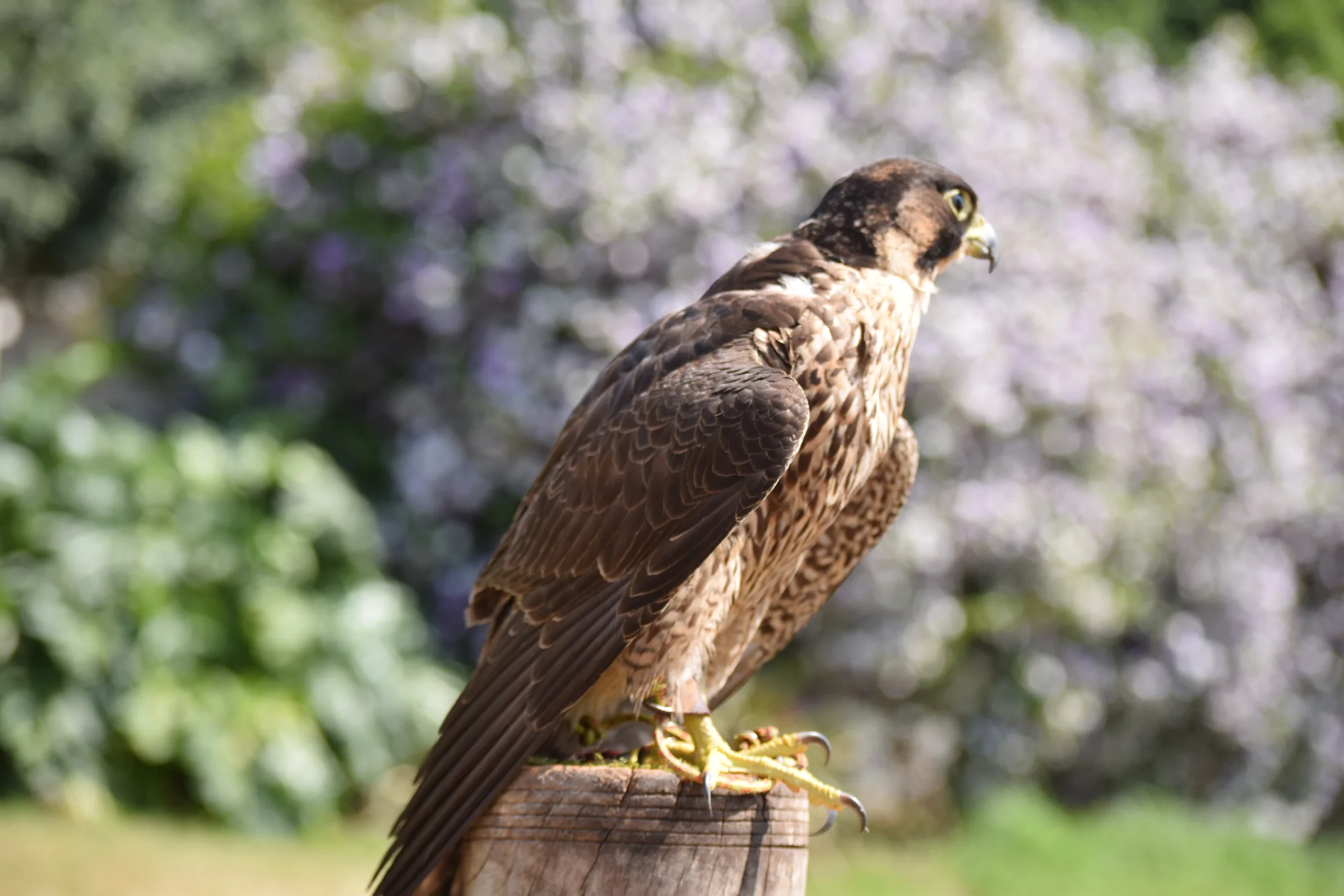
Passage Peregrine Falcon · 2024–2025
After a search covering thousands of kilometres, I trapped Maleka in April 2024. We flew two seasons together before she was released back into the wild.
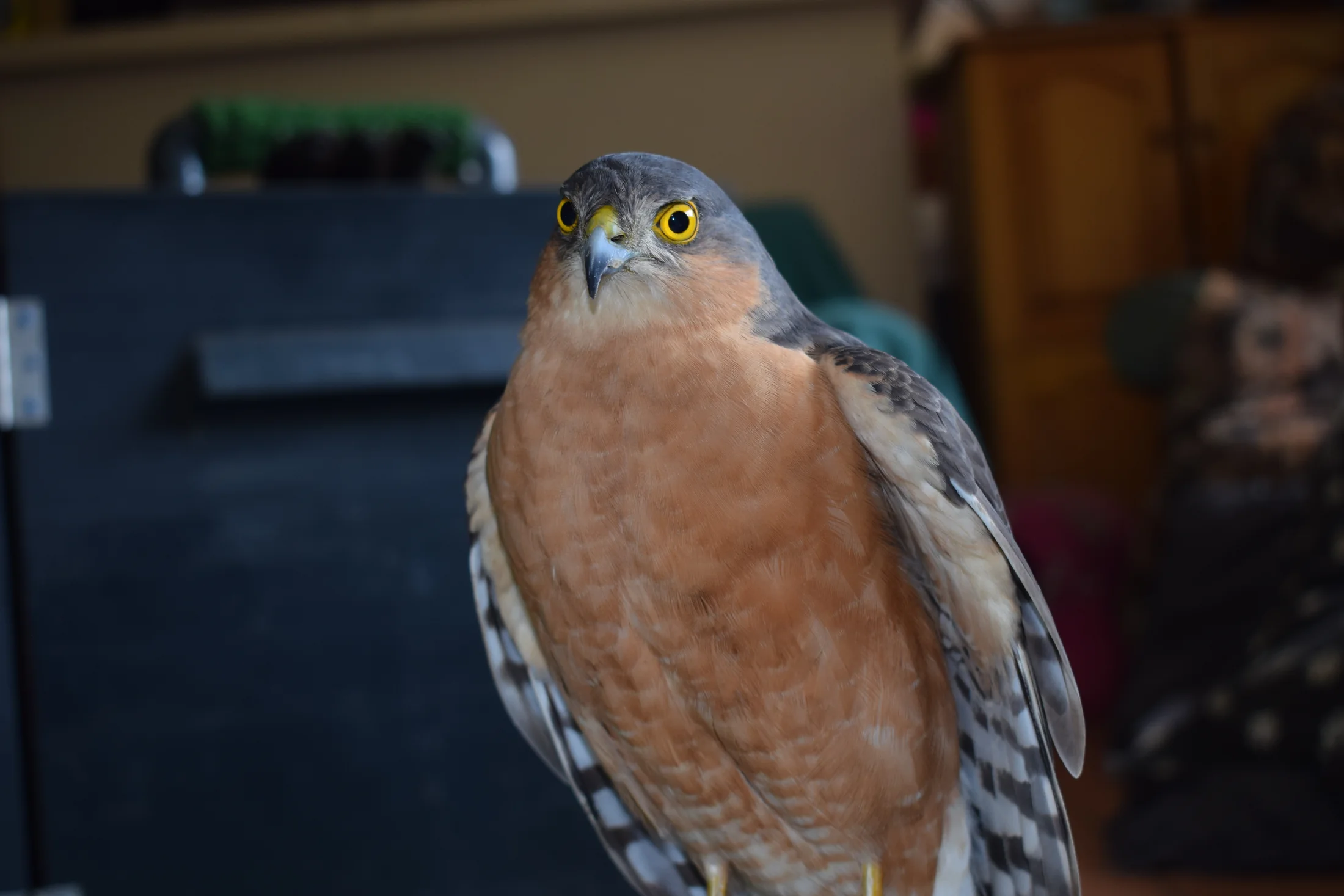
What it means
Falconry has never felt like collecting animals. It is a working relationship with something that retains its own instincts and choices. The job is to pay attention: to condition, weather, terrain, behaviour and the small signs that plans need to change.
That discipline has followed me into almost everything else. Progress is earned slowly. Control is usually an illusion. The process matters as much as the result.
Interested in falconry?
Falconry is regulated, demanding and learned under experienced people. The South African Falconry Association explains the process and connects prospective falconers with the provincial club in their area.
Visit SAFA’s “Become a Falconer” page